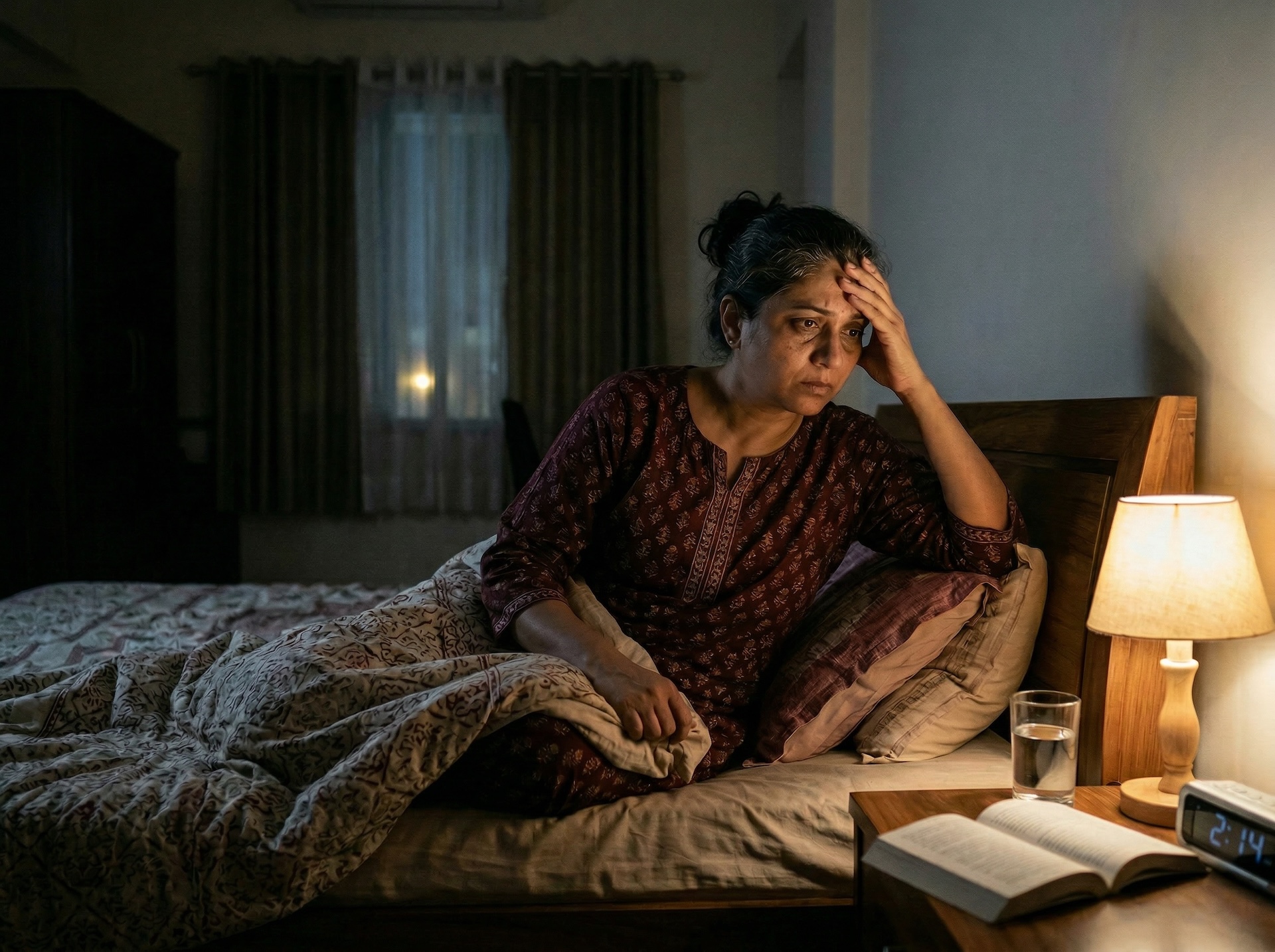

If you’ve been feeling constantly drained, struggling to recover your energy, or noticing that things feel harder than they used to, you might be asking yourself, “Am I burnt out?”
Burnout is more than just feeling tired after a busy period. It often develops gradually, particularly when ongoing demands outweigh your ability to rest and recover.
Because these changes tend to build slowly, they can be easy to overlook at first. Understanding the signs and symptoms of burnout can help you recognise what’s happening and take steps toward feeling more like yourself again.
What Is Burnout?
Burnout is a state of mental, emotional and physical exhaustion that develops when stress becomes prolonged, and recovery is limited.
Unlike short-term stress, burnout doesn’t usually improve with a weekend off or a few early nights. Instead, it can leave you feeling depleted, less engaged, and increasingly disconnected from things that once felt manageable.
It is often less about how much you have to do and more about feeling like you don’t have enough energy left to keep going.
Burnout vs Stress: What’s the Difference?
Stress and burnout can feel similar, particularly in the early stages.
Stress is often linked to specific pressures or demands. While it can certainly feel intense, there is usually still a sense of urgency or drive to respond to the demands. Importantly, with rest, stress often improves.
Burnout tends to feel different. Over time, that sense of drive can be replaced by exhaustion, detachment, or reduced motivation. Rather than feeling overwhelmed but engaged, you may begin to feel flat, stuck, or unable to keep up in the same way.
What Are the Signs and Symptoms of Burnout?
Burnout can affect how you feel, think and function in everyday life. While it looks different for everyone, there are some common patterns that many people recognise.
You might notice:
Emotional changes
- Feeling more irritable, overwhelmed, or emotionally flat
- Losing interest or enthusiasm
- Increased sensitivity or frustration
Physical changes
- Ongoing fatigue, even after resting
- Difficulties falling asleep, disrupted sleep, or not feeling well-rested after sleep
- Headaches, muscle tension, or feeling run-down
Cognitive changes
- Difficulty concentrating or thinking clearly
- Feeling mentally foggy
- More negative or self-critical thoughts
Behavioural changes
- Withdrawing from responsibilities or social situations
- Avoiding tasks that once felt manageable
- Continuing to push through without meaningful rest
These changes often develop gradually, making them easy to dismiss or attribute to a “busy period”.
Why Does Burnout Happen?
Burnout often develops when there is an ongoing imbalance between what is being asked of you and the opportunity you have to recover. This commonly occurs in a work setting, but burnout can also occur in response to other demands, such as caring responsibilities.
Over time, this might look like consistently pushing through fatigue, saying yes when you need to rest, or not having enough space to mentally switch off. Even when you do rest, it might not feel like you’ve fully recovered.
This is not usually the result of a single stressful event. Rather, it tends to build gradually when recovery is limited, and demands remain high.
What Does Burnout Feel Like Day-to-Day?
For many people, burnout doesn’t feel dramatic or sudden.
Instead, it often manifests as subtle yet persistent shifts. You might notice that things take more effort than they used to, or that your usual ways of coping don’t feel as effective. Tasks that once felt manageable may become heavier, and your capacity to stay engaged may decrease over time.
There can also be a sense of disconnection, either from your work, other people, or even from your sense of self.
Can Burnout Improve with Rest Alone?
One of the more confusing aspects of burnout is that rest is often not the clear answer.
While rest is important, burnout recovery often involves more than just taking time off. It may include adjusting ongoing demands, creating clearer boundaries, and reintroducing activities that genuinely restore your energy.
Recovery tends to be gradual, and small, and consistent changes are often more effective than sudden or large shifts.

How Can You Start Recovering From Burnout?
Rather than doing more, recovery from burnout often involves doing things differently.
This can include creating space to reduce ongoing pressure, identifying what is draining your energy, and gradually reintroducing activities that feel restorative and energising. For some people, this also involves recognising where boundaries have become difficult to maintain and making small adjustments over time to adjust, strengthen or maintain them.
Support can also play an important role, whether that is through conversations with trusted people, workplace adjustments, or professional guidance.
When Should I Seek Help for Burnout?
Burnout can often improve with changes to workload, boundaries and recovery habits. However, there are times when additional support may be helpful.
You might consider seeking support if:
- Exhaustion feels ongoing and doesn’t improve with rest
- You feel emotionally numb, detached, or overwhelmed most days
- Your mood is consistently low or irritable
- Sleep difficulties are ongoing
- Daily functioning is becoming harder
Burnout can overlap with anxiety or depression, and speaking with a professional can help clarify what you’re experiencing.
If this sounds familiar, speaking with your GP can be a helpful first step in understanding what support might be appropriate.
Support Is Available at Mind-Care
At Mind-Care, our clinicians provide evidence-based support for burnout, stress and related concerns. This may include helping you understand patterns contributing to exhaustion, strengthening boundaries, and supporting gradual recovery.
Appointments are available via secure telehealth and in our Charlestown clinic.
Taking the Next Step
If you’ve been wondering, “Am I burnt out?” and these experiences feel familiar, support can make a meaningful difference.
You can:
- Speak with your GP about whether support or a referral may be helpful
- Contact our team to discuss your needs
- Request an appointment with one of our clinicians
Mind-Care offers both telehealth and in-clinic appointments, allowing you to access care in a way that suits you.
Support can be tailored to your needs, and many people find that small changes can lead to meaningful improvements over time.
References & Further Reading
Beyond Blue: https://www.beyondblue.org.au/mental-health/work/burnout
Mental Health First Aid Australia: https://www.mhfa.com.au/resources-support/articles/navigating-burnout
Mind-Care. Burnout Worksheets and Psychoeducation Resources.